


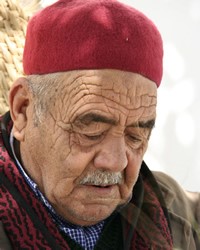

Tunisian Arabs in Italy are part of the wider Arab diaspora, originating from North Africa. Their roots trace back to Tunisia's ancient history, shaped by Berber, Arab, and Mediterranean influences. Migration to Italy has largely been driven by economic opportunities.
Family remains the cornerstone of Tunisian culture. Even in Italy, Tunisians strive to preserve close-knit family ties, respect for elders, and hospitality traditions. Social gatherings often feature Tunisian dishes like couscous, brik (savory pastry), and tagine, alongside mint tea—a symbol of warmth and friendship.
Celebrations include Islamic holidays such as Eid al-Fitr and Eid al-Adha, observed with devotion and family feasts. Tunisian cultural elements, like music and traditional dress, sometimes appear in private gatherings.
Tunisian Arabs in Italy are Sunni Muslim. Islamic practices such as daily prayers, fasting during Ramadan, and pilgrimage to Mecca are central to their lives. Faith shapes their worldview, social norms, and family structure, and religious identity is deeply intertwined with cultural pride.
Tunisian Arabs in Italy face both physical and spiritual challenges. Many experience isolation, strict social controls, and limited freedom of expression. Economic pressures and demanding work conditions can lead to stress and vulnerability. Spiritually, most have little exposure to the gospel, and if they do, they will face hostility from within their families. There is a need for culturally sensitive outreach and resources in Arabic that communicate the hope of Christ in ways that honor their heritage.
Pray for Tunisian Arabs in Italy to encounter Jesus Christ through personal relationships, media in their heart language, and through dreams of the risen Christ.
Intercede for families to experience peace, stability, and hope amid the challenges of migration and cultural adjustment.
Pray that soon, Tunisians and other Arabs in Italy will be putting their faith in Jesus Christ.
Pray for Tunisian family leaders to have dreams of the Risen Christ.
Scripture Prayers for the Arab, Tunisian in Italy.
Culture of Tunisia
AI generated by Copilot
https://en.wikipedia.org/wiki/Tunisians_in_Italy
| Profile Source: Joshua Project |


