Brong in Côte d'Ivoire
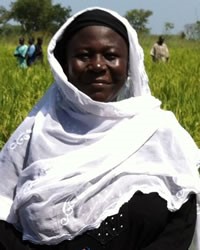
Photo Source:
Eileen Delhi - Flickr
Creative Commons
|
Send Joshua Project a map of this people group.
|
| People Name: | Brong |
| Country: | Côte d'Ivoire |
| 10/40 Window: | No |
| Population: | 291,000 |
| World Population: | 1,911,000 |
| Primary Language: | Abron |
| Primary Religion: | Ethnic Religions |
| Christian Adherents: | 43.00 % |
| Evangelicals: | 4.00 % |
| Scripture: | New Testament |
| Ministry Resources: | Yes |
| Jesus Film: | No |
| Audio Recordings: | Yes |
| People Cluster: | Guinean |
| Affinity Bloc: | Sub-Saharan Peoples |
| Progress Level: |

|
Introduction / History
The Brong—also known as Bono or Abron—are a subgroup of the Akan people, originally centered in what is now central Ghana. They trace their identity back to the ancient Bono state, where gold discoveries and trade brought prosperity around the 12th century. Legendary centers such as Begho and Bono?Manso flourished as early urban hubs, with Begho housing around 12,000 people in the 15th century and later playing roles in the trans-Atlantic slave trade. The Bono later founded the Gyaman kingdom in the late 17th century, which extended into northeastern Côte d'Ivoire. Their society is traditionally matrilineal, with social structures and inheritance traced through maternal lineage.
What Are Their Lives Like?
Traditionally centered on gold, brass-working, pottery, and weaving fine textiles such as gagawuga and kente, today the Brong in Côte d'Ivoire are primarily subsistence farmers, cultivating crops like yams, cocoa, and cashews.
Staples include pounded yams, cassava, plantain, and maize often served with soups made from leafy greens, peanuts, or palm oil. Traditional foods play key roles in festivals.
Family Dynamics
Families are matrilineal and extended households live together, with strong bonds among siblings, aunts, uncles, and children. Lineage and inheritance follow the mother's side.
Cultural festivals feature prominently, such as the Adayé Kessiè yam festival, which highlights traditional music, dance, and rituals celebrating the harvest and ancestral heritage. They perform dances like Adowa and Kete and use drums such as fontomfrom and atumpan during ceremonies.
What Are Their Beliefs?
Religious Landscape
The Brong in Côte d'Ivoire maintain a strong African traditional religion, honoring ancestors and revering local spirits through rituals and libations.
A sizable number identify with non-evangelical Protestantism or other Christian traditions, reflecting social and justice-oriented faith expressions. Their religious identity often combines ancestral belief systems with Christian ethics and observances, shaped by historical missionary engagement and localized spiritual practices.
What Are Their Needs?
Many Brong communities lack consistent access to clean water, modern healthcare, and quality education, especially in remote rural areas. Economic dependency on small-scale agriculture leaves families vulnerable to poverty and seasonal instability.
Their traditional beliefs leave many spiritually unequipped to engage with, or defend against, supernatural influences. While some are nominally Christian, most lack grounding in deep biblical teaching, New Testament discipleship, or mature congregational life.
Prayer Points
Pray for the provision of safe drinking water, clinics, and schools in Brong villages.
Pray for sustainable development and infrastructure.
Pray for spiritual openness among the Brong; that both adherents of traditional religions and cultural Christian believers would encounter and embrace the gospel in a deep way.
Pray that emerging Christian leaders would receive solid biblical training and courage to plant churches rooted in Scripture.
For that Christians among them will disciple others in the ways of Jesus Christ.