Amhara, Ethiopian in Lebanon
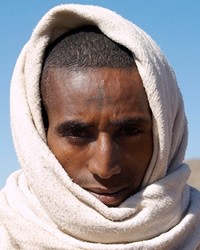
Photo Source:
Anonymous
|
Send Joshua Project a map of this people group.
|
| People Name: | Amhara, Ethiopian |
| Country: | Lebanon |
| 10/40 Window: | Yes |
| Population: | 59,000 |
| World Population: | 28,556,900 |
| Primary Language: | Amharic |
| Primary Religion: | Christianity |
| Christian Adherents: | 96.00 % |
| Evangelicals: | 1.20 % |
| Scripture: | Complete Bible |
| Ministry Resources: | Yes |
| Jesus Film: | Yes |
| Audio Recordings: | Yes |
| People Cluster: | Ethio-Semitic |
| Affinity Bloc: | Horn of Africa Peoples |
| Progress Level: |

|
Introduction / History
The Ethiopian Amhara are an ethnic people originally from the Ethiopian Highlands. They speak Amharic, a Semitic language with roots in the ancient Ge?ez literary tradition. The Amhara are one of Ethiopia's principal ethnic groups, shaped by centuries of Orthodox Christian influence, highland agriculture, and Ethiopian kingdom history.
Migration to Lebanon is primarily recent, driven by labor and employment opportunities in domestic service, hospitality, construction, and informal labor markets. Many Amhara maintain cultural and linguistic ties to Ethiopia while adapting to life in a predominantly Arabic-speaking society.
What Are Their Lives Like?
Amhara people in Lebanon live mainly in urban and peri-urban areas where migrant workers are concentrated. Daily life revolves around labor obligations, remittances to family in Ethiopia, and navigating life in a foreign cultural environment. Housing varies from employer-provided accommodations to shared rentals, often with limited legal protections.
Work conditions vary. Many are employed in domestic service, caregiving, or hospitality, while others perform manual labor with low wages and job insecurity. Language barriers and legal constraints increase vulnerability.
Amhara communities maintain supportive networks, preserving Amharic language, Ethiopian cultural practices, and social bonds. Communication with relatives in Ethiopia remains central to community life.
What Are Their Beliefs?
Amhara people have a deeply rooted Christian heritage, primarily Ethiopian Orthodox Tewahedo Orthodox Christianity shapes Amhara culture, life-cycle rituals, and worldview. A minority are Muslim or Protestant. Their faith in Christ is often compromised by traditions.
In Lebanon, Amhara Christians practice faith where possible through informal prayer gatherings, observance of Ethiopian feasts, and connection with Ethiopian church communities. Some attend local Christian congregations or co-ethnic fellowships. Religious identity is often syncretistic, adapting to diaspora conditions while maintaining Ethiopian Christian heritage.
What Are Their Needs?
Amhara migrants in Lebanon face legal insecurity, limited access to healthcare, and education barriers. Vulnerability related to residency, labor rights, and economic instability creates ongoing stress.
Spiritually, Amhara believers often lack Amharic-language church support, discipleship opportunities, and culturally sensitive fellowship. There is a need for biblical teaching and local church development.
Holistic needs include mental health, social integration, and economic empowerment. Programs offering legal aid, language classes, skills development, and safe community support would strengthen wellbeing and open doors for gospel engagement.
Prayer Points
Pray for Amhara migrants to experience God's peace and provision.
Pray for legal protection, fair work conditions, and access to healthcare and education.
Pray for Amharic-language Scripture and discipleship resources to be easily accessible and widely embraced.
Pray that Amhara Christians grow in spiritual maturity and faithfulness.
Pray for hope and resilience among Amhara children and youth.
Pray for opportunities for stable, dignified employment.
Pray that Amhara migrants are effective witnesses of Christ's love.
Pray for a movement of the Holy Spirit bringing lasting transformation.