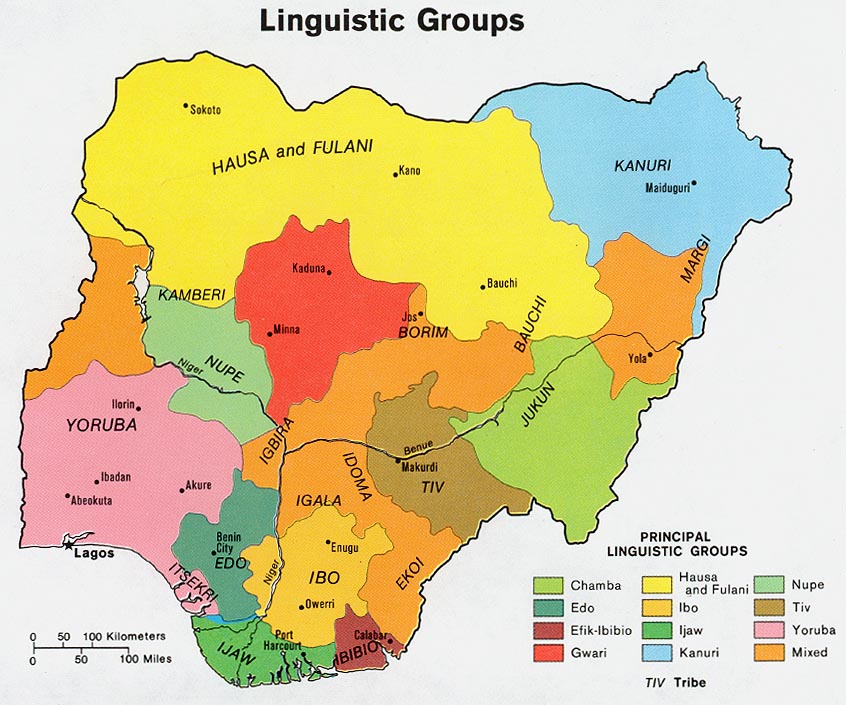
The Ninzo—also known as Ninzam or Gbhu—are an indigenous Plateau-speaking people of Nigeria's Middle Belt. They inhabit parts of southern Kaduna State (especially Sanga LGA) and Nasarawa State (Akwanga LGA), with some presence in Plateau State. Their language, Ninzo, belongs to the western Plateau branch of the Niger?Congo family.
Historical traditions connect the Ninzo to early migrations from the Bauchi?Plateau region, descending from the Jarawa peoples before establishing themselves in what later became the Sanga polity. Over time, they organized themselves into semi-autonomous communities united under the Uchu Ninzo, their traditional leadership institution. The people also absorbed smaller neighboring groups, including speakers of the now-extinct Sambe language.
Their homeland's hilly terrain and rich valleys supported settlement, agriculture, and a social system deeply shaped by kinship, clan origin stories, and inter-community alliances.
The Ninzo are primarily subsistence farmers cultivating millet, maize, guinea corn, and other staples, a pattern consistent across their Plateau-adjacent environment. Farming is typically family-based, with shared labor and seasonal rhythms shaping daily life. Market exchanges and small-scale trading supplement household income, while animal husbandry is also practiced.
Family structures are rooted in extended kinship networks. Marriage traditions often include elaborate negotiations and community involvement, reflecting long-standing lineage relationships. Ceremonial life revolves around festivals, rites of passage, and communal gatherings that express their cultural identity and reinforce social unity. Their oral traditions—songs, storytelling, and ancestral narratives—remain central to cultural preservation.
Language plays a key role in identity, with Ninzo serving as the primary medium of cultural expression despite influences from neighboring groups and Nigerian lingua francas.
Ninzo religious life historically blends traditional beliefs with adherence to Islam and Christianity. Traditional practices include veneration of ancestors, community rituals, and spiritual expressions tied to land and lineage. Islam has a long presence in the region, and Christian influence—though not dominant—continues to grow, supported in part by Scripture and audio resources available in the Ninzo language. From an Evangelical perspective, the Ninzo's religious landscape represents a field ready for continued gospel witness.
Literacy levels vary, and many communities lack access to quality schooling. Language development and vernacular education would strengthen long-term growth. As subsistence farmers, they remain vulnerable to environmental pressures, limited market access, and regional insecurity. While Scripture exists, wider access to discipleship materials and local church development remains an ongoing need.
Pray for strong, Christ-centered discipleship among existing Ninzo believers, that they would grow in spiritual depth and mission focus.
Where believing communities exist, pray that they mature spiritually, shine as a transformative presence, and join in mission among the diverse peoples of central Nigeria.
Pray for peace and stability in southern Kaduna and Nasarawa, ensuring safe environments for families and local churches.
Pray for expanded access to Scripture in Ninzo, including literacy programs and audio resources reaching remote communities.
Pray for righteous and wise local leadership.
Pray for fruitful economic opportunities, especially in farming, that families may thrive and communities flourish.
Scripture Prayers for the Ninzo in Nigeria.
https://rexclarkeadventures.com/ninzam-people-of-southern-kaduna/
https://en.wikipedia.org/wiki/Ninzo_people
https://101lasttribes.com/tribes/ninzam.html
https://everything.explained.today/Ninzo_people/
https://grokipedia.com/page/ninz
| Profile Source: Joshua Project |